2 hr 30 min
Venice Street Food Walking Tour with Local Guide
- Expert local guide
- Small group
- Skip-the-line access
- Free cancellation
Venice Food and Wine Tour — Cicchetti, Bacari & Local Vintages
Where marble bridges meet ombra shadows, where the city eats standing
Compare fares, pick the fit — all bookings are mobile-voucher and eligible for free cancellation where shown.
2 hr 30 min
3 hr
2 hr 30 min
| Experience | Duration | Rating | Skip-the-line | Guide | Small group | Free cancel. | Price | |
|---|---|---|---|---|---|---|---|---|
|
Guided Experience
Most popular
Venice Street Food Walking Tour with Local Guide
|
2 hr 30 min | ★ 4.8 | ✓ | ✓ | ✓ | ✓ | €48 | Book → |
|
Standard Entry
Venice Evening Food & Wine Walk
|
3 hr | ★ 4.9 | — | ✓ | — | ✓ | €85 | Book → |
|
Standard Entry
Venice Food Walk with Cicchetti & Wine
|
2 hr 30 min | ★ 4.8 | — | ✓ | ✓ | ✓ | €89 | Book → |
Worth it for food lovers seeking local expertise
A venice food and wine tour typically costs €80–150 per person for a three-hour guided experience through Venetian bacari and osterie. What you're paying for is curated access to family-run establishments serving authentic cicchetti—small plates like sarde in saor, baccalà mantecato, and polpette—paired with regional wines from Veneto appellations such as Soave and Valpolicella. Local guides provide historical context about Venetian culinary traditions and negotiate entry to spots tourists rarely find alone. The value calculation hinges on whether you prioritize insider knowledge over independent exploration. For visitors who want to decode the cicchetti culture, understand denominazione rules, and sample six to eight different wines without navigating the language barrier, Venice food and wine tour tickets deliver measurable return. Independent eaters can replicate the route for €40–50 in food costs alone, but miss the narrative framework and backstage introductions that transform tasting into cultural immersion.
Bottom line: The premium buys expertise and access that independent exploration cannot easily replicate, making culinary tours worthwhile for first-timers prioritizing depth over budget.
Guided experiences offer deeper context into regional traditions, while self-guided outings provide total autonomy; most visitors find the guided venice food and wine tour more educational for beginners.
|
Top pick Guided Tour |
Self-Guided Crawl | |
|---|---|---|
| Structure and Curation | Pre-planned route and tastings | Completely visitor-led |
| Local Insider Knowledge | Deep history from expert guides | Relies on personal research |
| Social Experience | Meet fellow travelers in group | Private or solitary experience |
| Flexibility and Pace | Strict schedule and timing | Go at your own speed |
| Typical Cost | Commercial service fee | Price of food and drink |
| Logistics and Navigation | Lead by professional organizer | Navigating by map and app |
| See tickets & prices |
Verdict: Opt for these venice food and wine tour tours if you prefer expert storytelling, but choose the independent path if you value spontaneous venice food and wine tour tickets for a custom evening.
Hand-picked experiences loved by thousands of travelers
3 hours
Free Cancellation
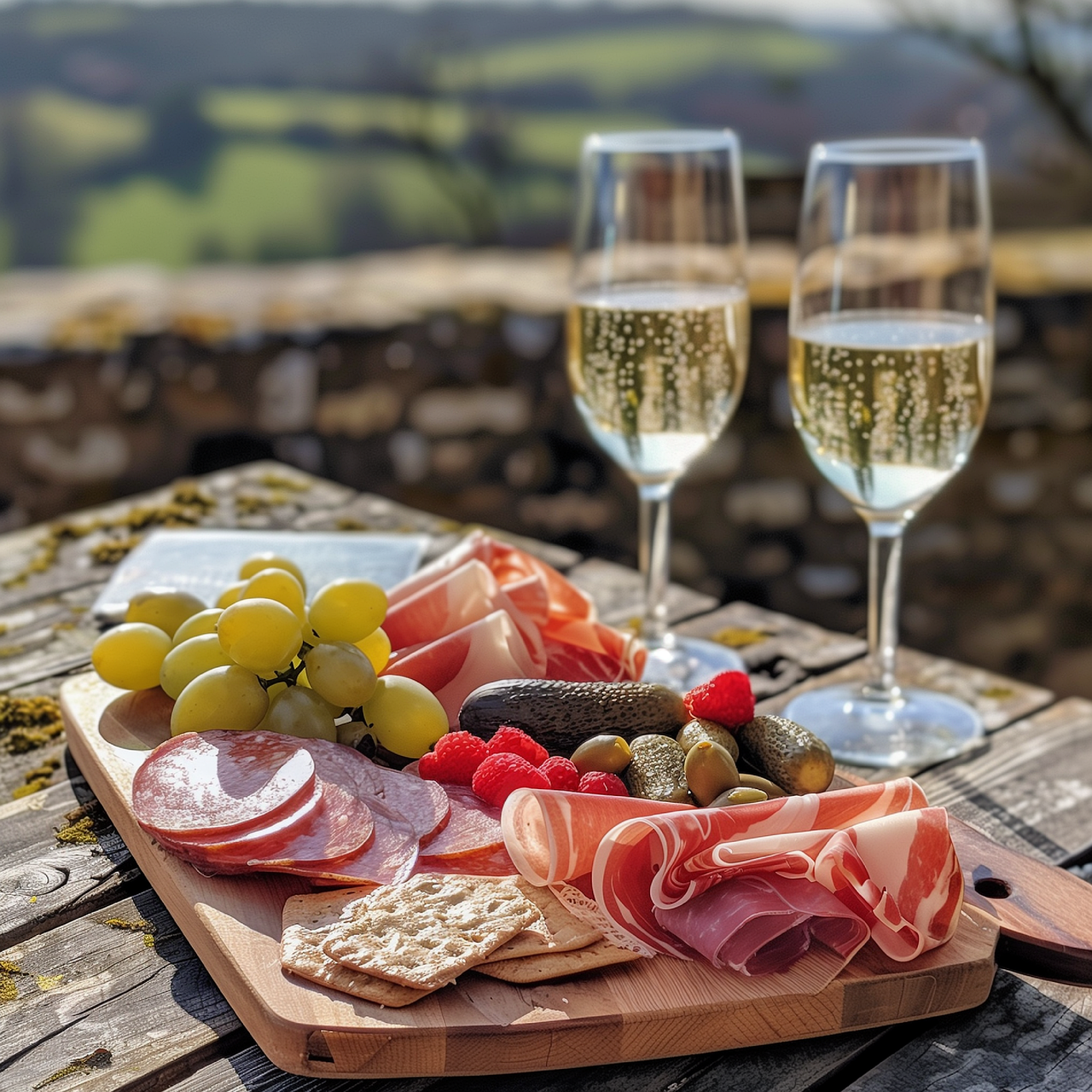
Sample 15 Venetian specialties across three neighborhoods while sipping paired wines and learning local legends
4 hours
Free Cancellation
Savor Venetian cicchetti, regional wines, and tiramisu while exploring markets and historic landmarks
3 hours
Free Cancellation
Taste your way through Venice with cicchetti, Prosecco, warm dishes, and gelato across 4+ local stops
2.5 hours
Free Cancellation
Taste your way through Venice's culinary traditions with cicchetti, market visits, and local bites
2.5 hours
Free Cancellation
Explore Venetian cuisine and landmarks on a guided walk through historic neighborhoods and markets
4 hours
Free Cancellation
Savor authentic Venetian flavors while discovering the historic Jewish Quarter and its canals
5 hours
Free Cancellation
Escape to UNESCO-listed vineyards for sparkling wine tastings and hillside views in a 5-hour trip
2 hours
Free Cancellation
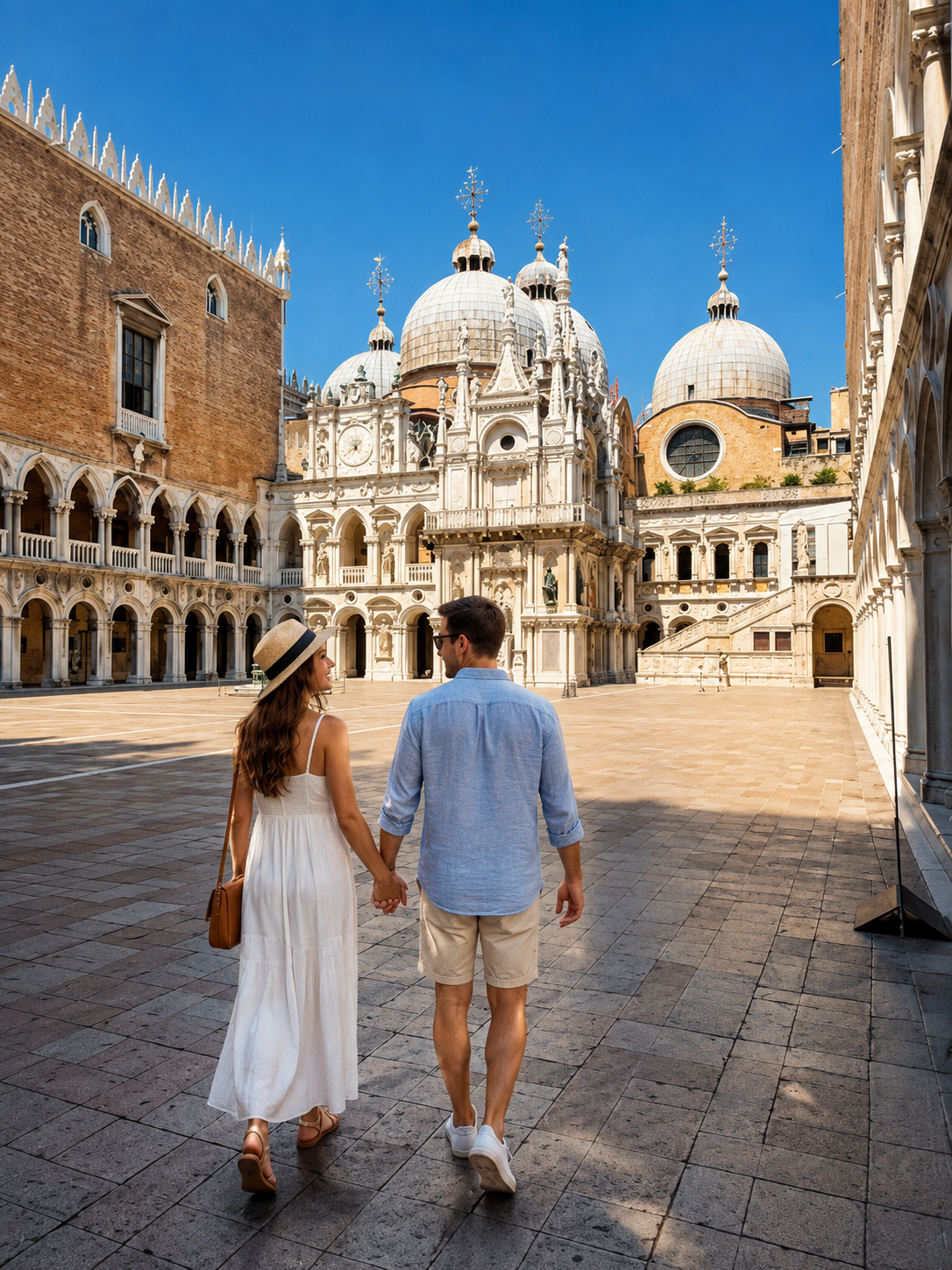
Step inside Venice's most opulent palace and cross the legendary bridge where prisoners once passed
Meeting at the designated landmark and overview of cicchetti culture.
Sample local appetizers and regional wine at a historic bar.
Stroll past famous Venice landmarks while heading to the next stop.
Conclusion of the experience with dessert wine and local sweets.
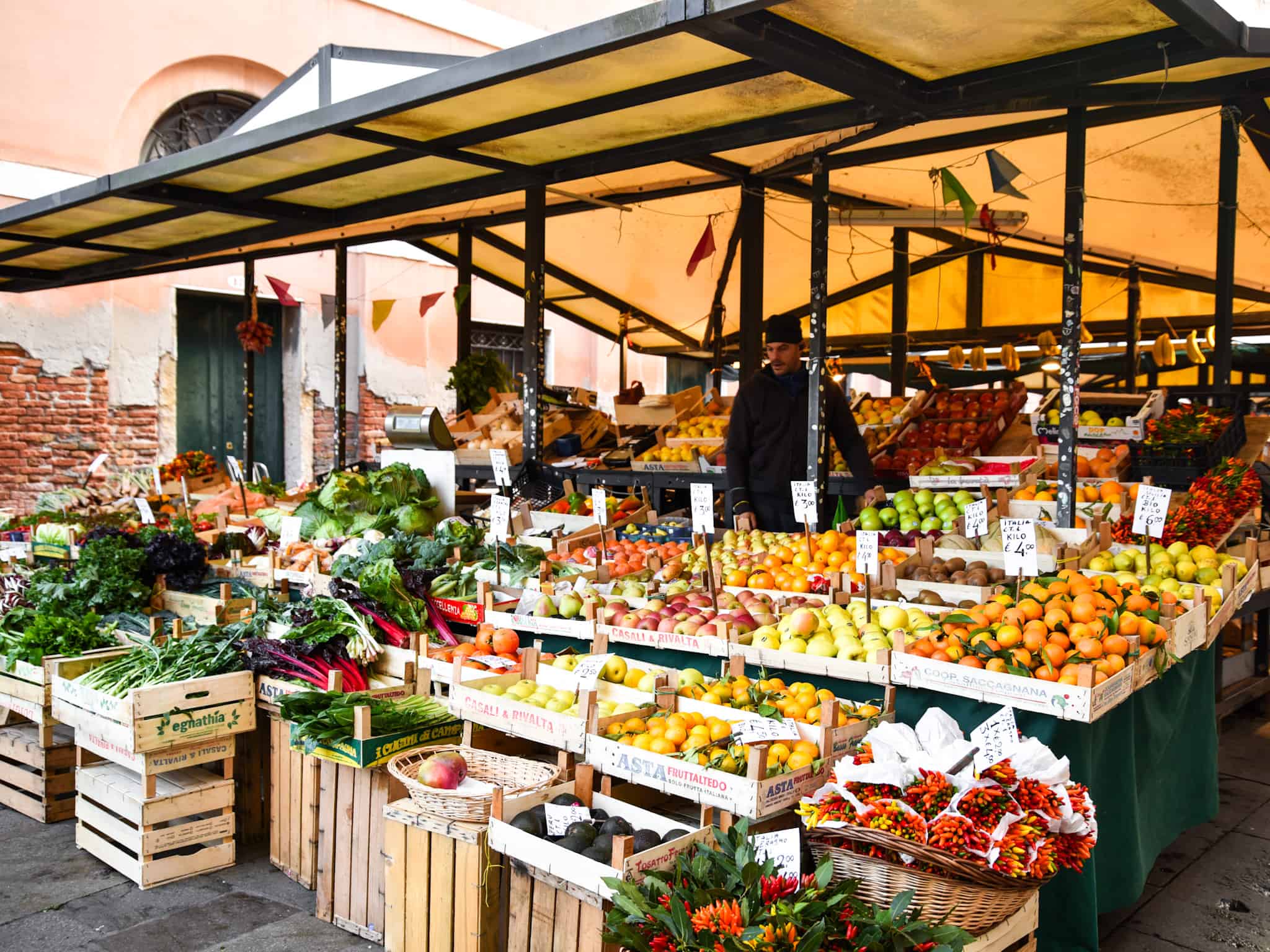
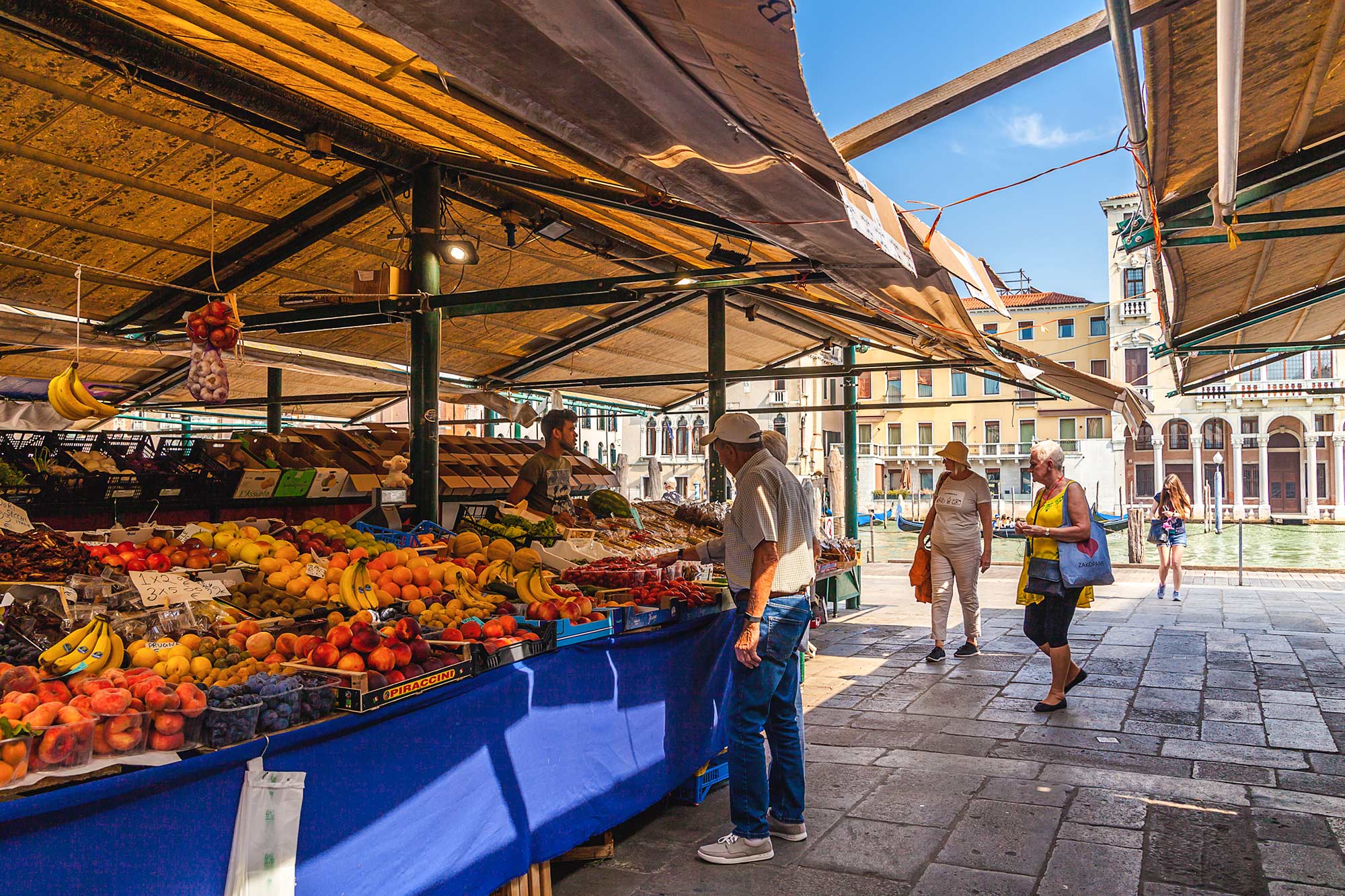
Explore the historic fish and produce market where ingredients are sourced for a venice food and wine tour. This area has served as the culinary heart of the city for centuries.
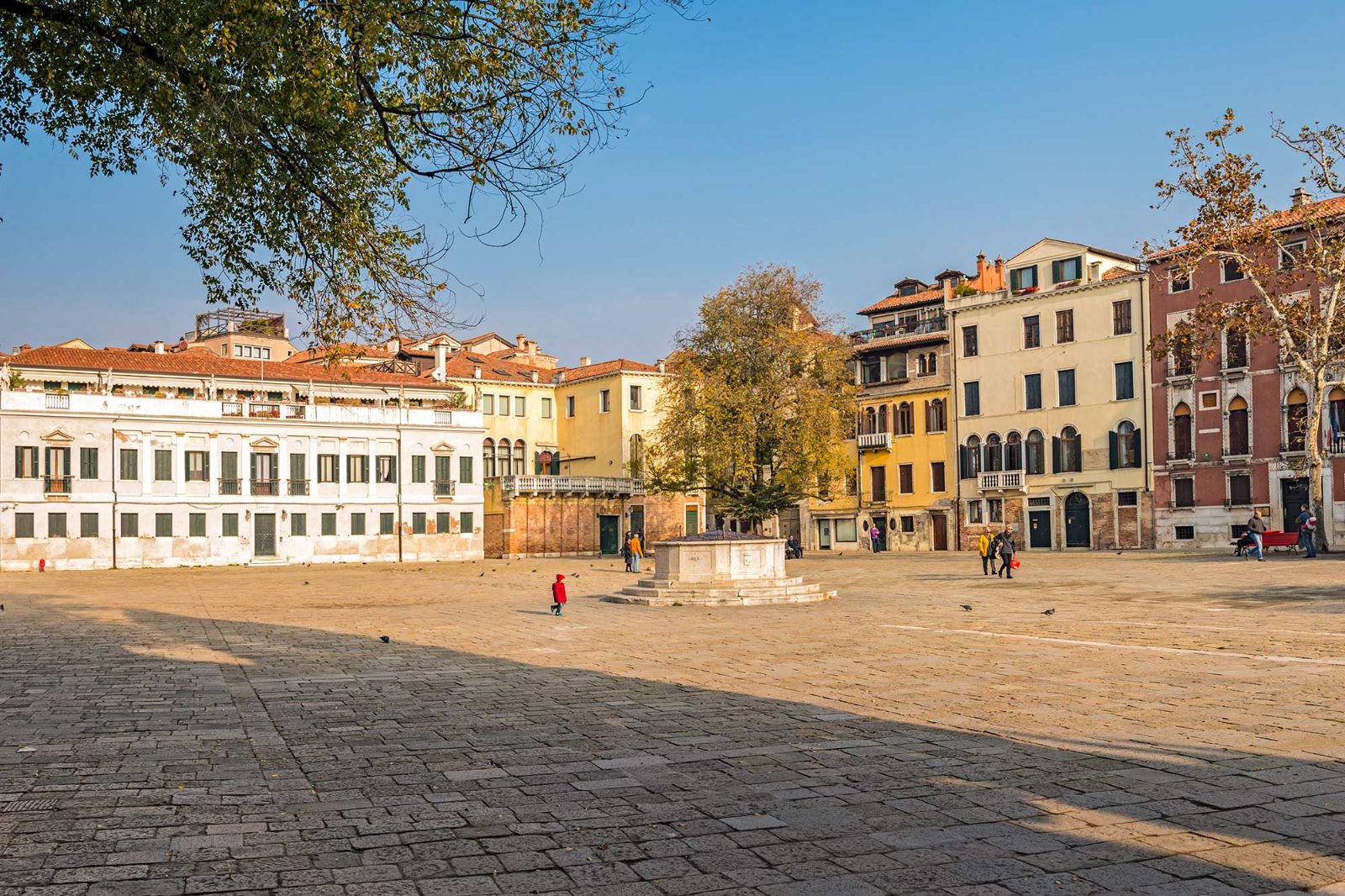
Visit one of the largest squares in the city often featured on a venice food and wine tour. It is surrounded by historic palazzos and local eateries.
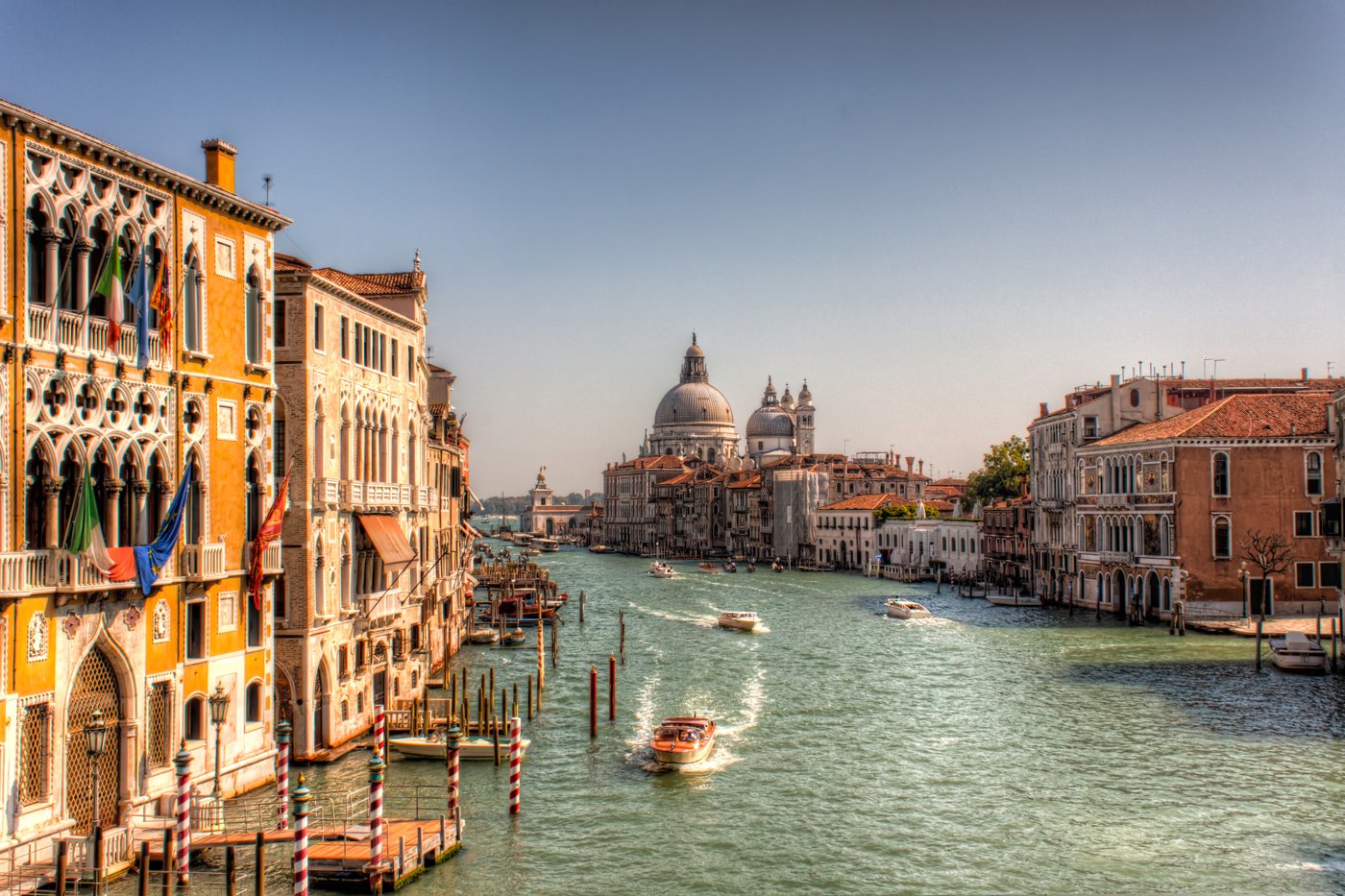
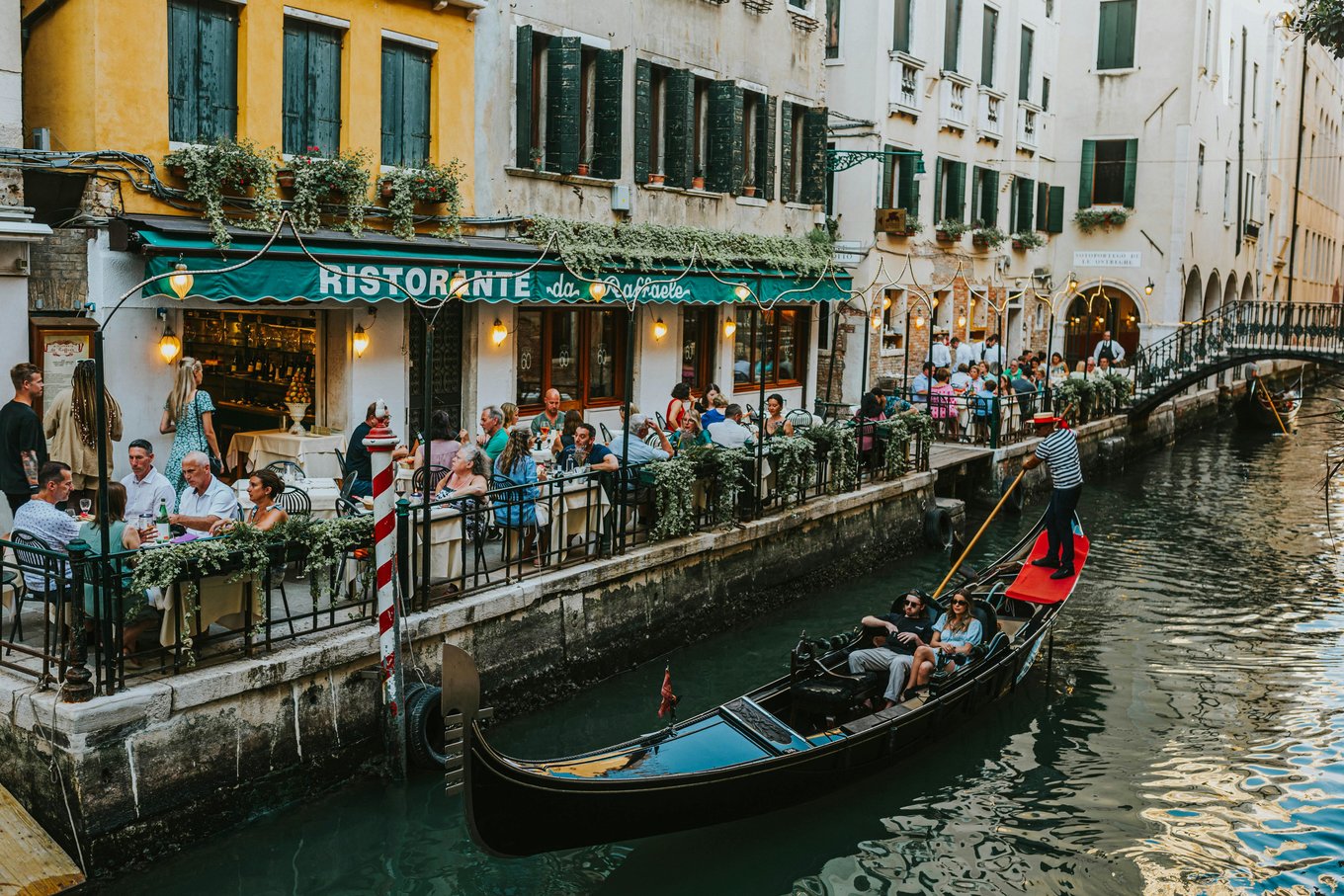
Enjoy views of the historic waterway that anchors many a venice food and wine tour path. It is the primary artery for transport and historical architecture in Venice.
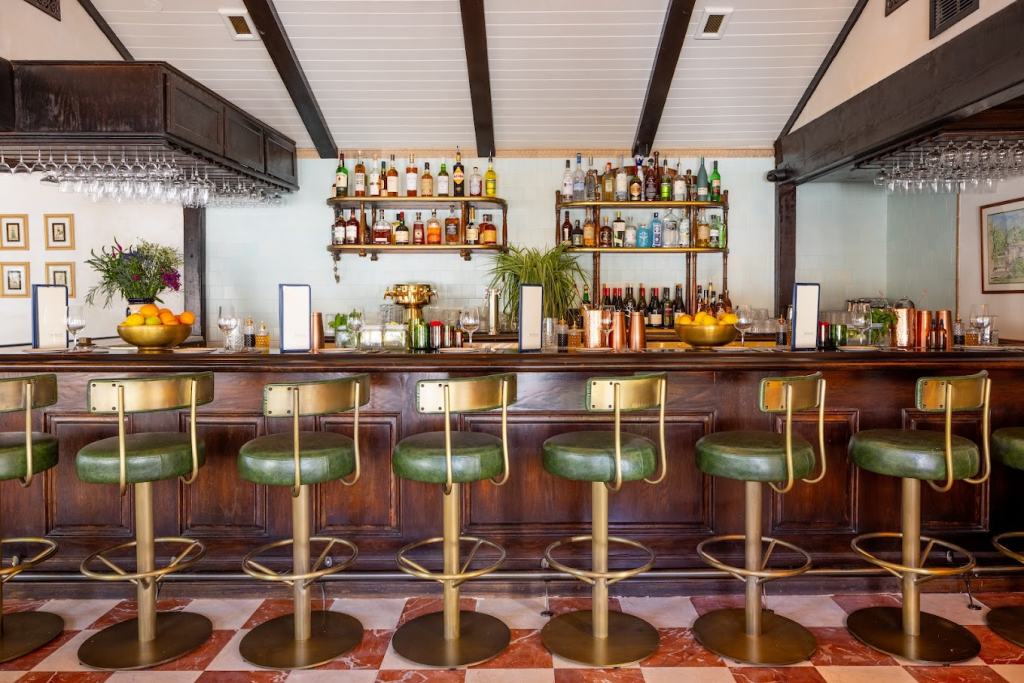
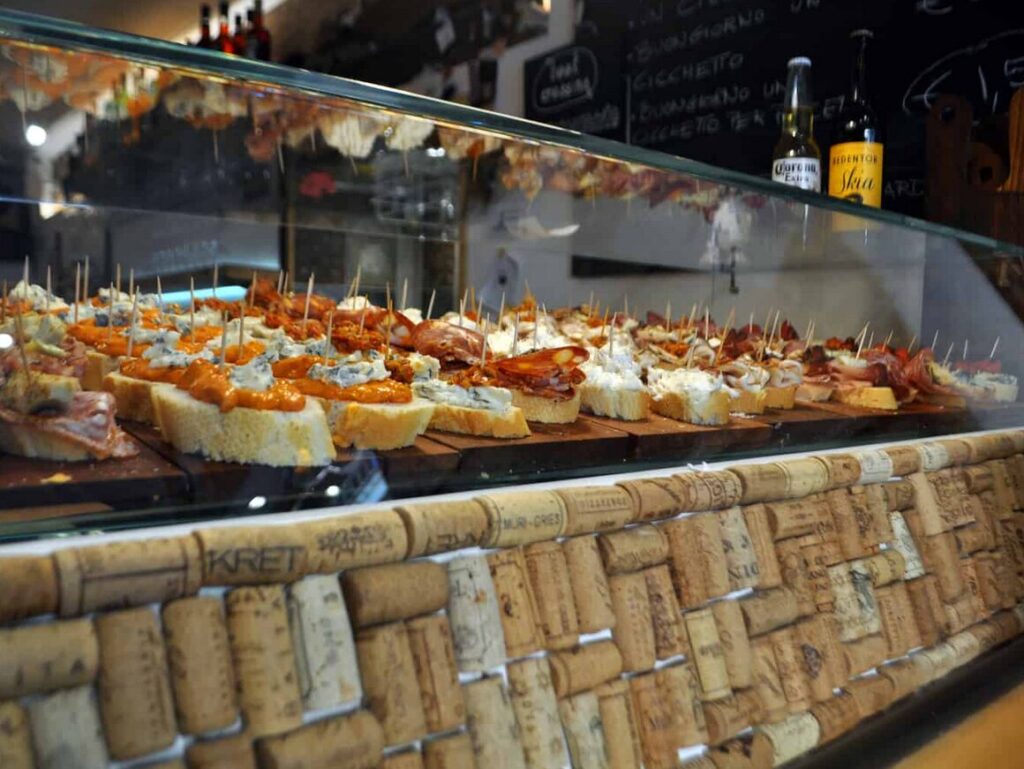
Discover these traditional wine bars where you can enjoy small bites and local wine during your venice food and wine tour. These venues specialize in authentic regional flavor.
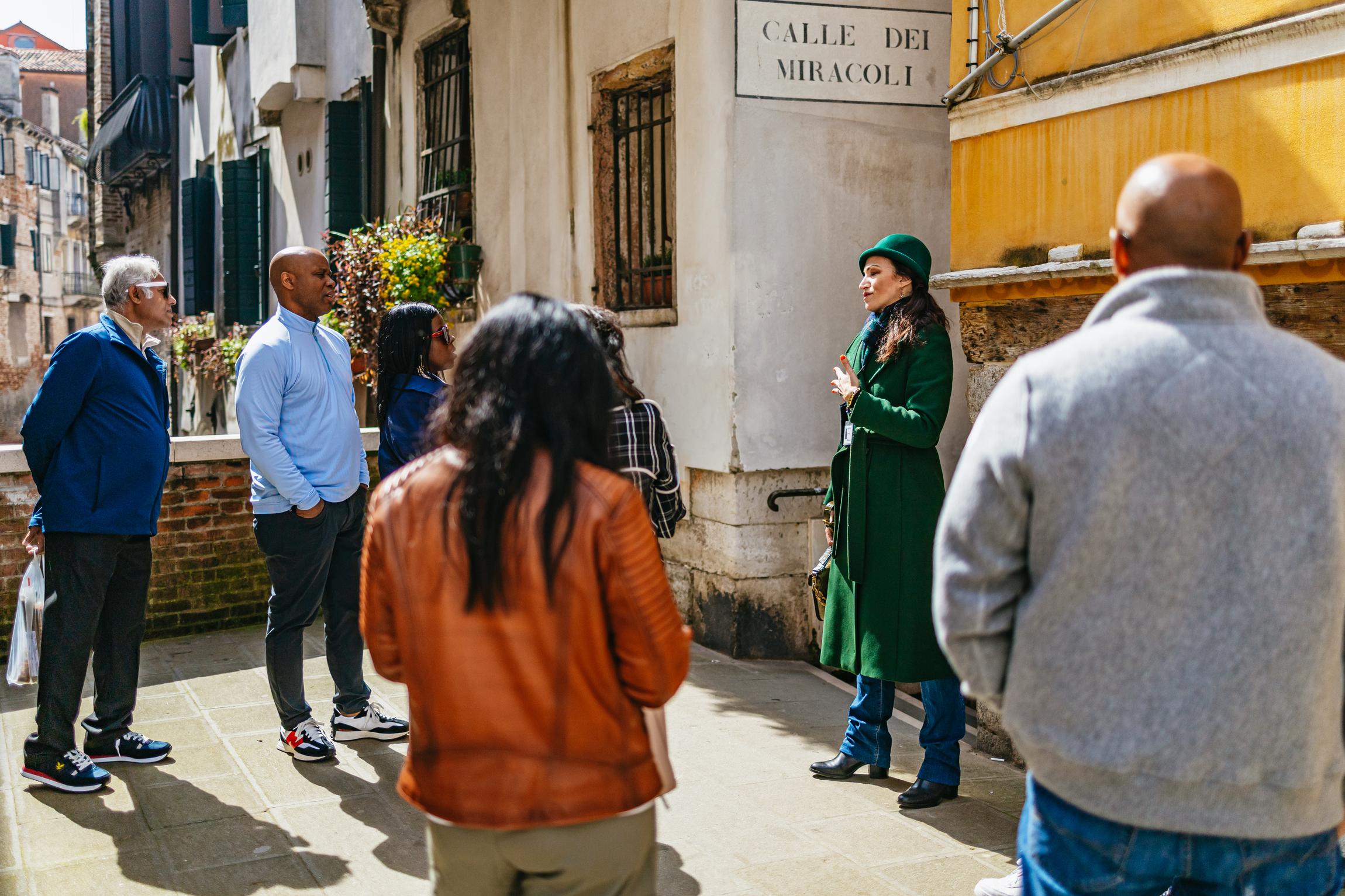
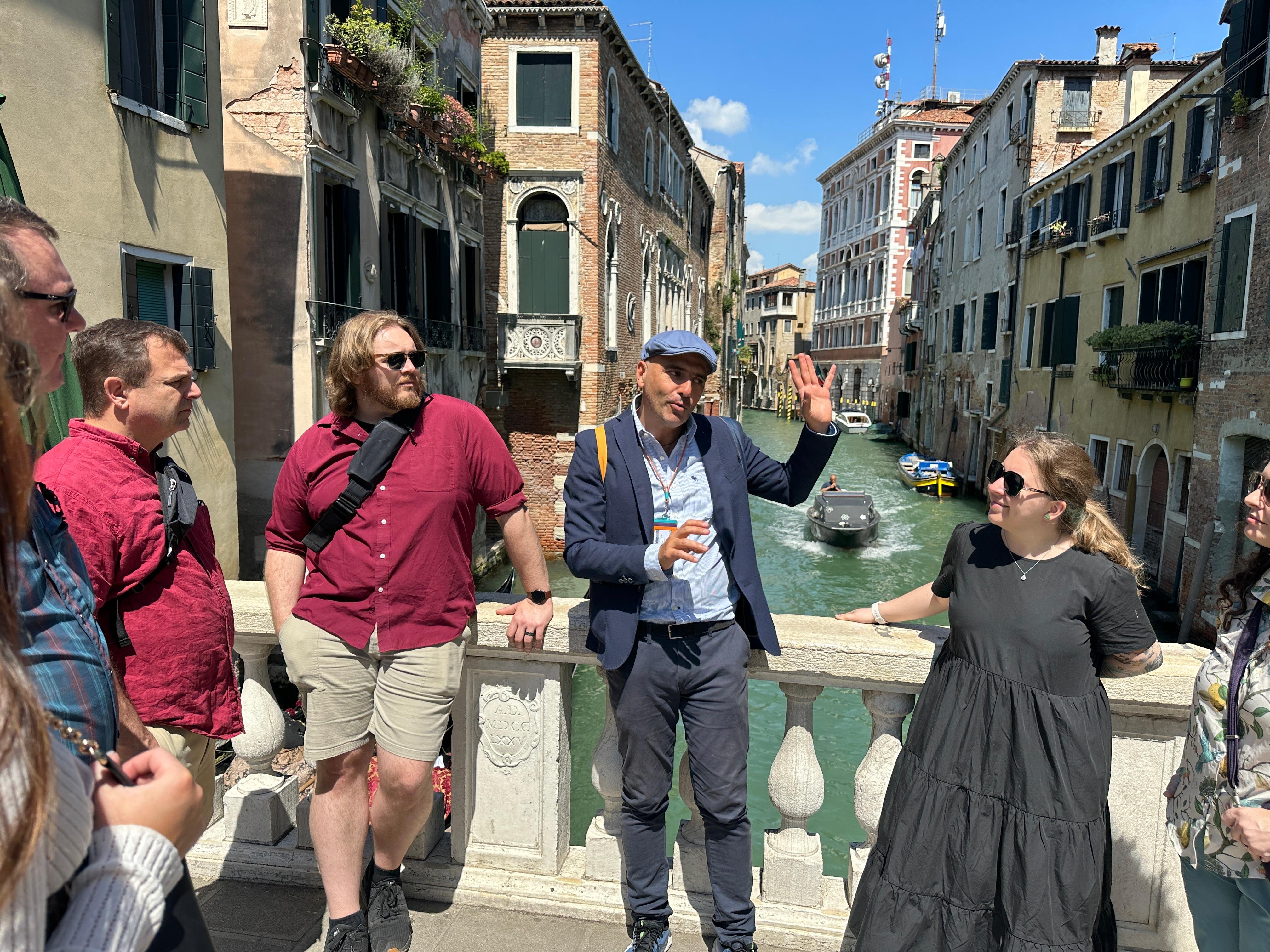
You meet your guide at Campo Santa Margherita at 11 a.m., just as the first bacari unlock their doors. The group is capped at twelve.
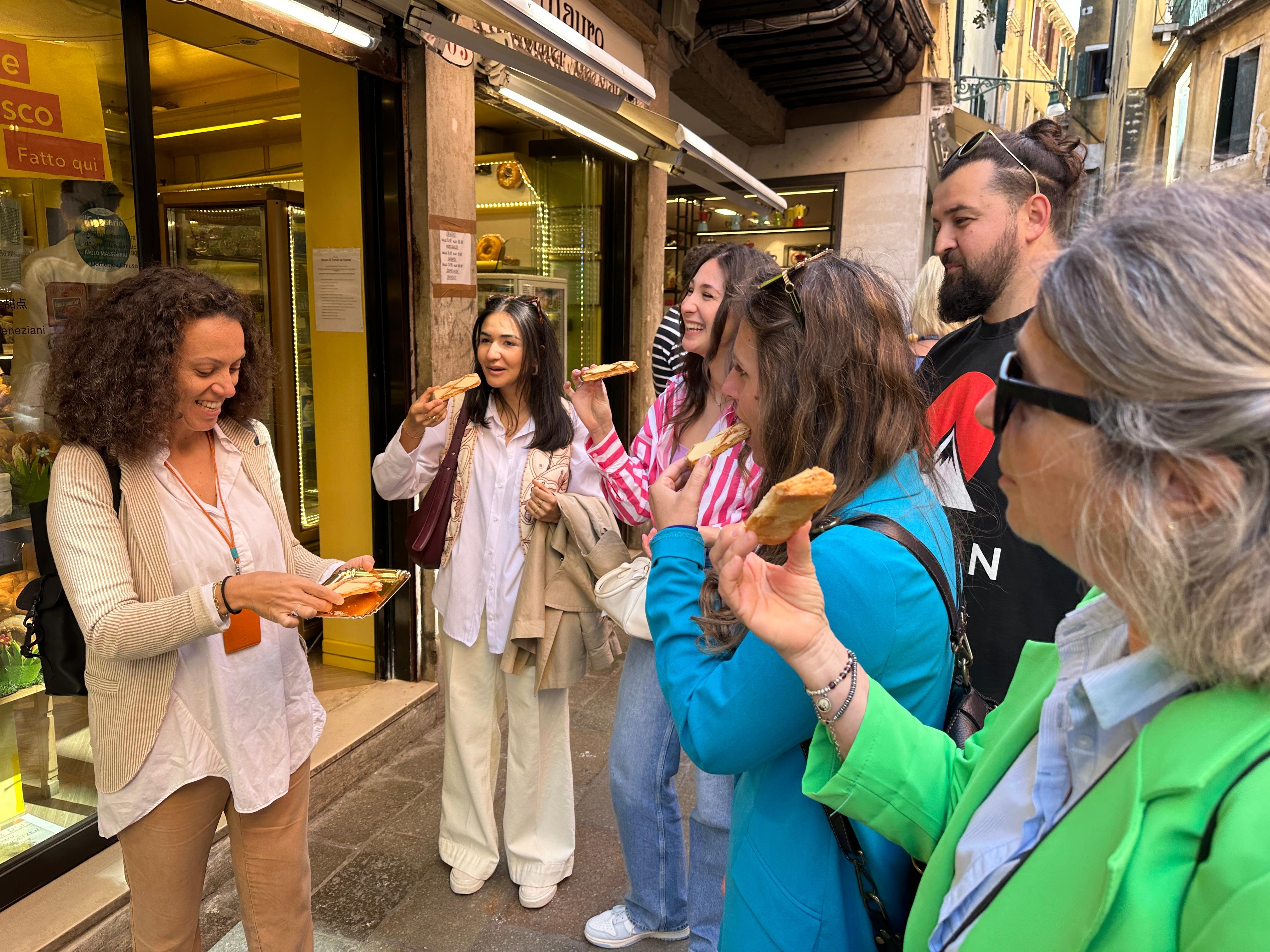
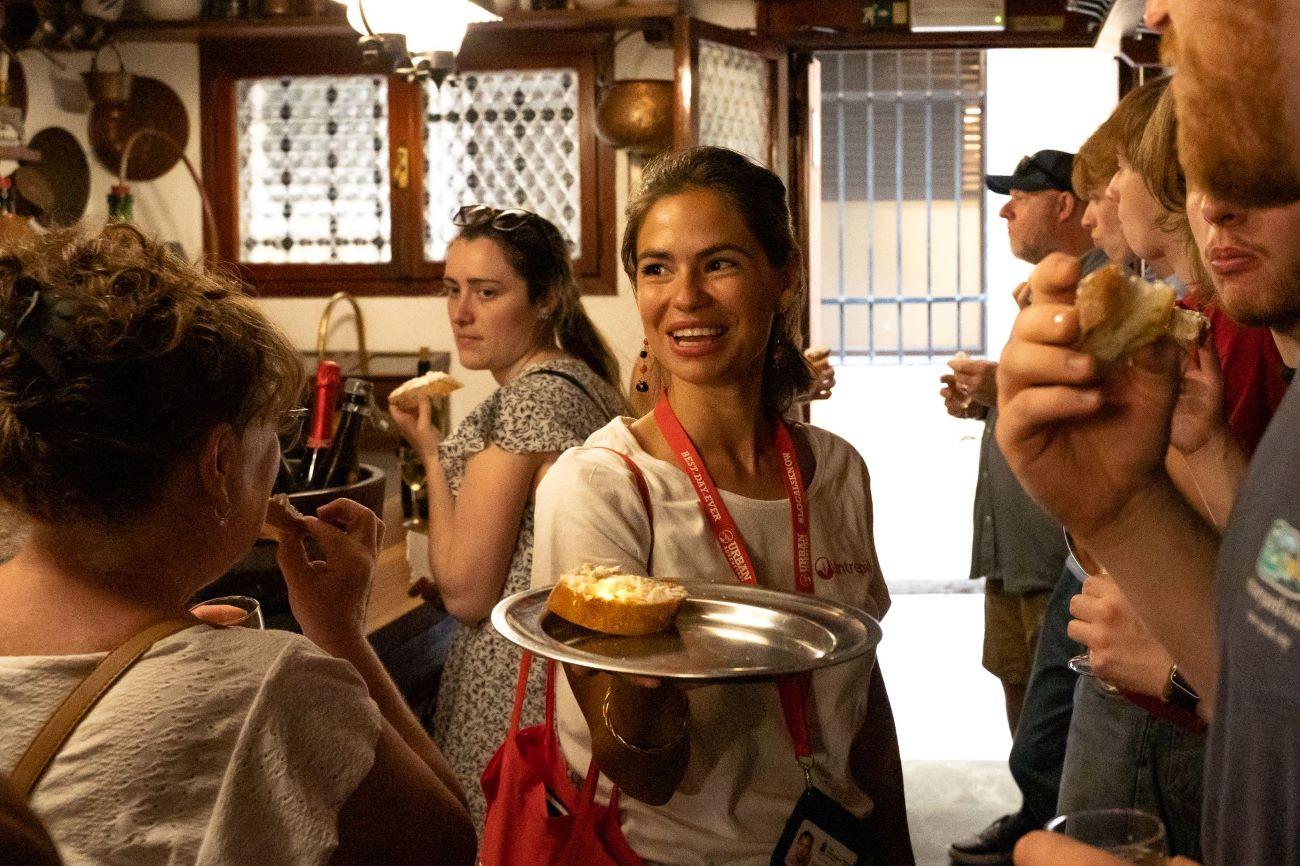
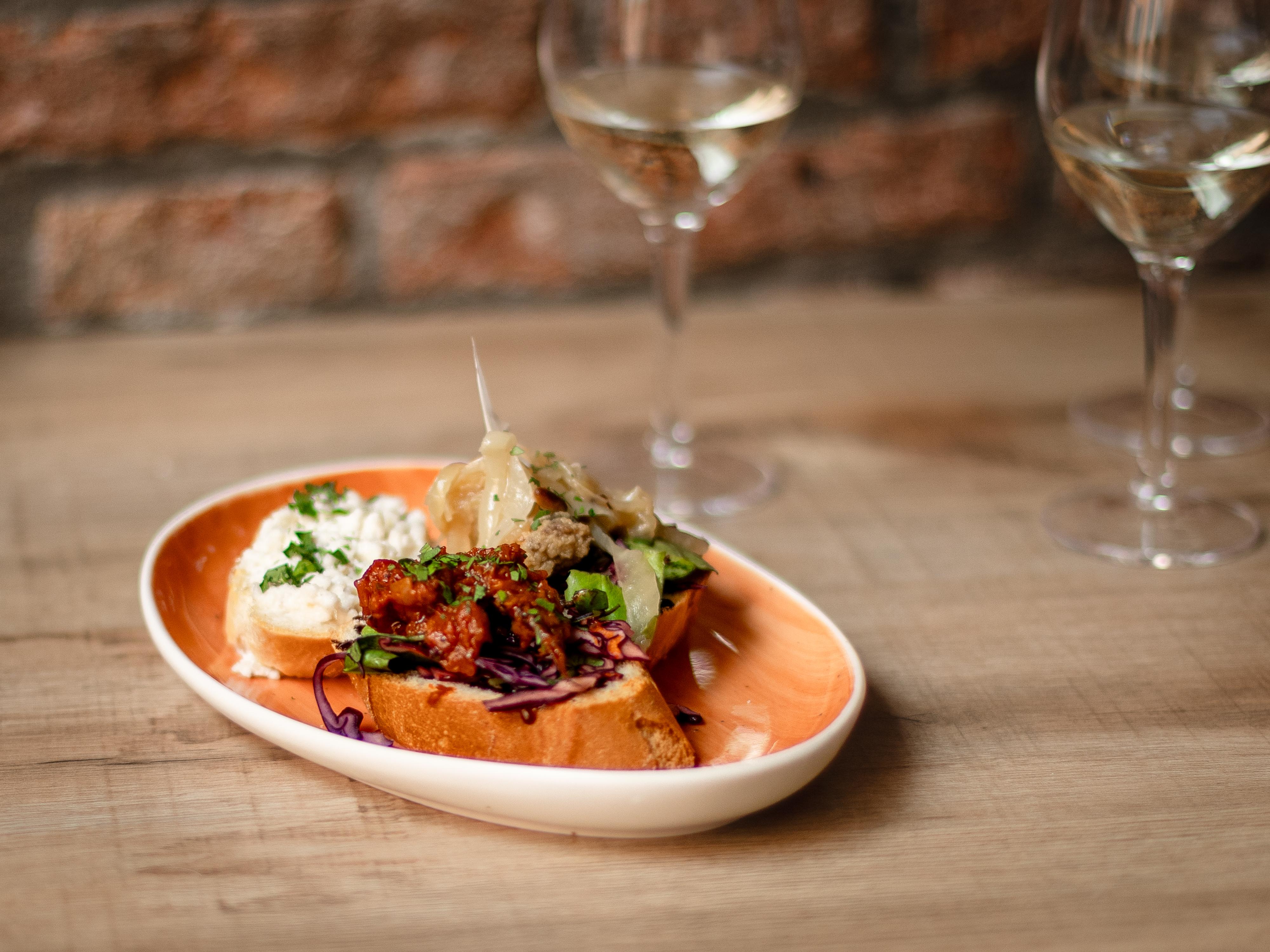
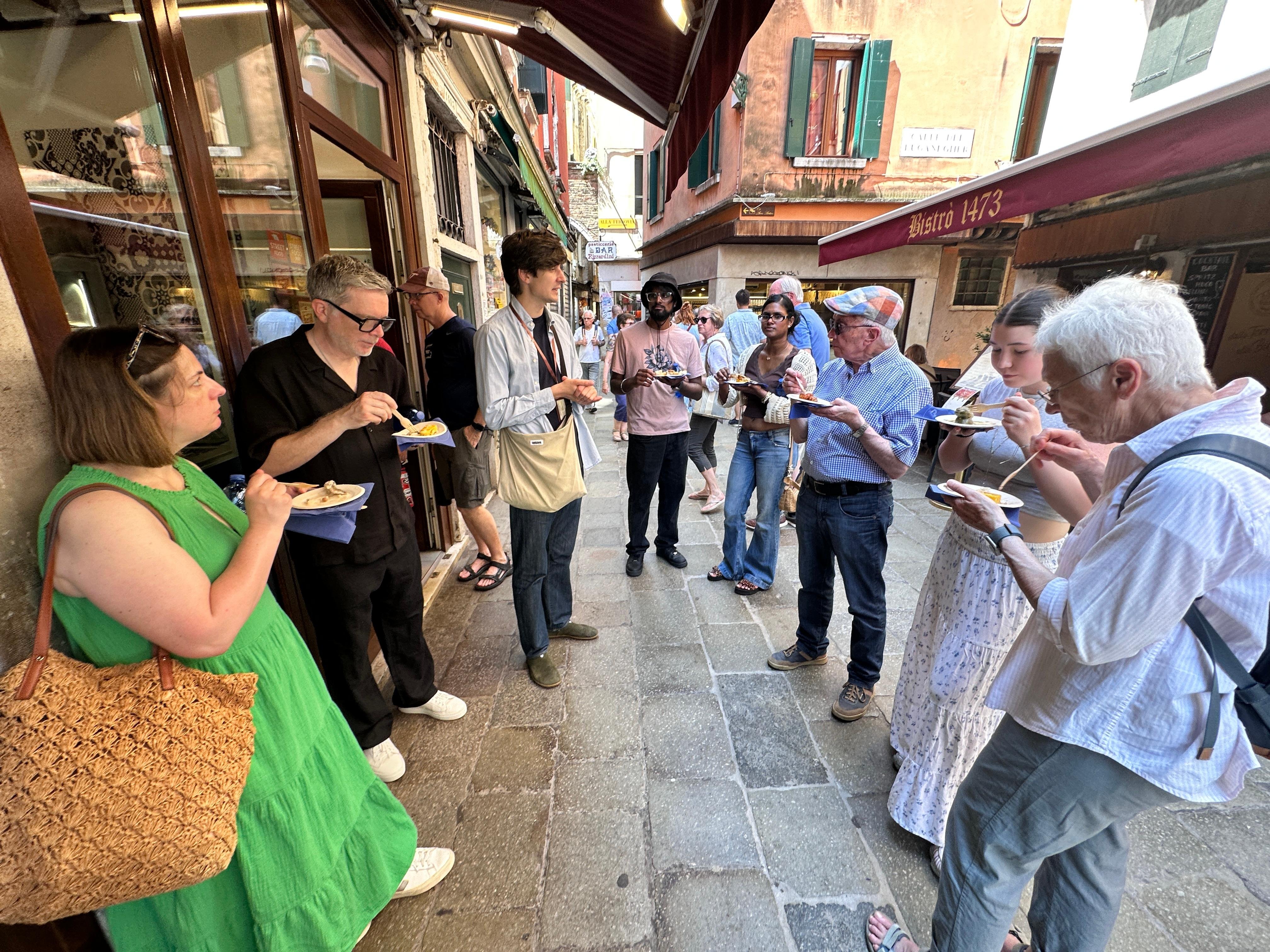
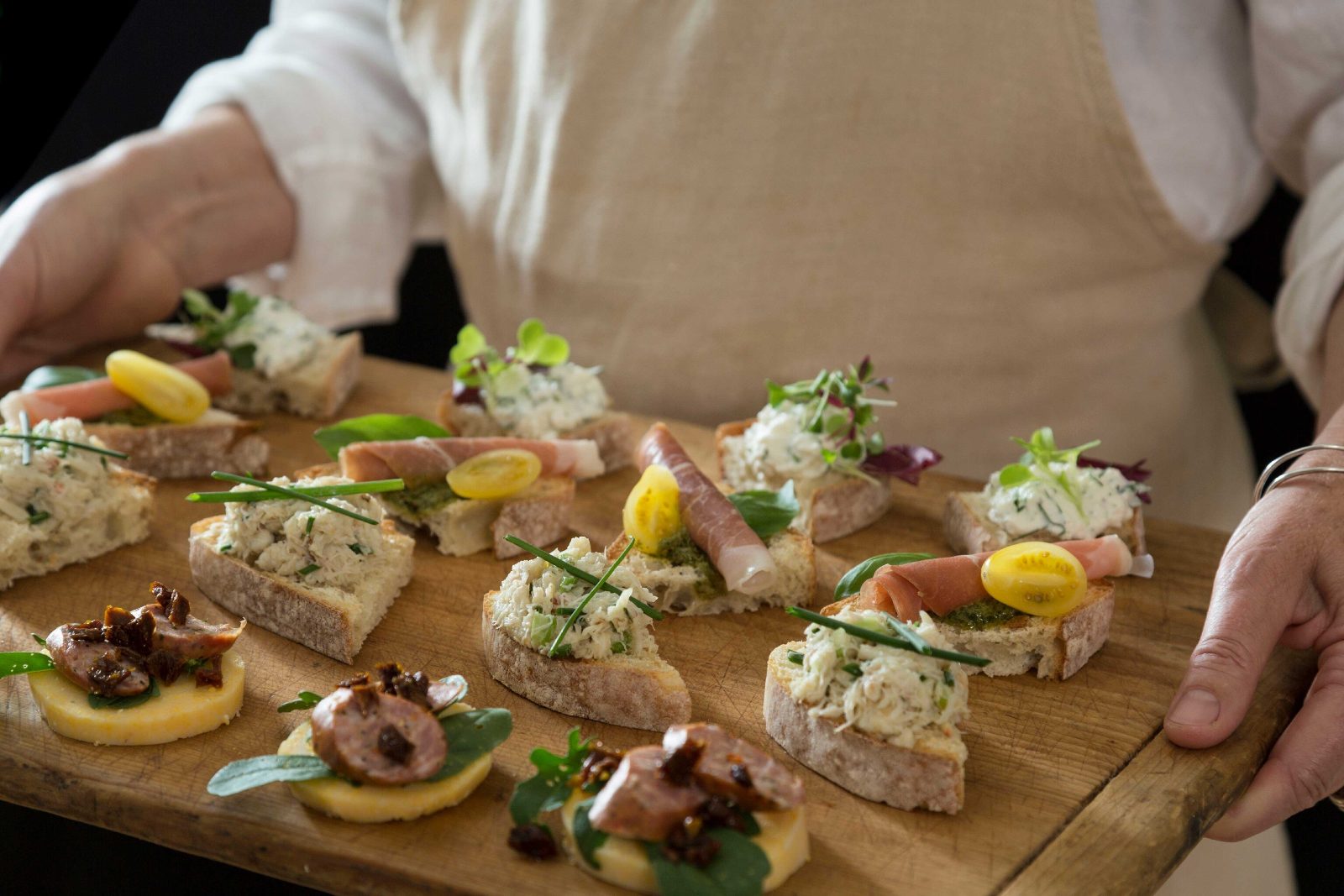
You walk south through Dorsoduro, crossing the wooden Ponte dei Pugni, and stop at a bar where the owner pours you a glass of Prosecco Superiore and slides across a plate of baccalà mantecato on grilled polenta. You eat standing. The counter is elbow-high and crowded.
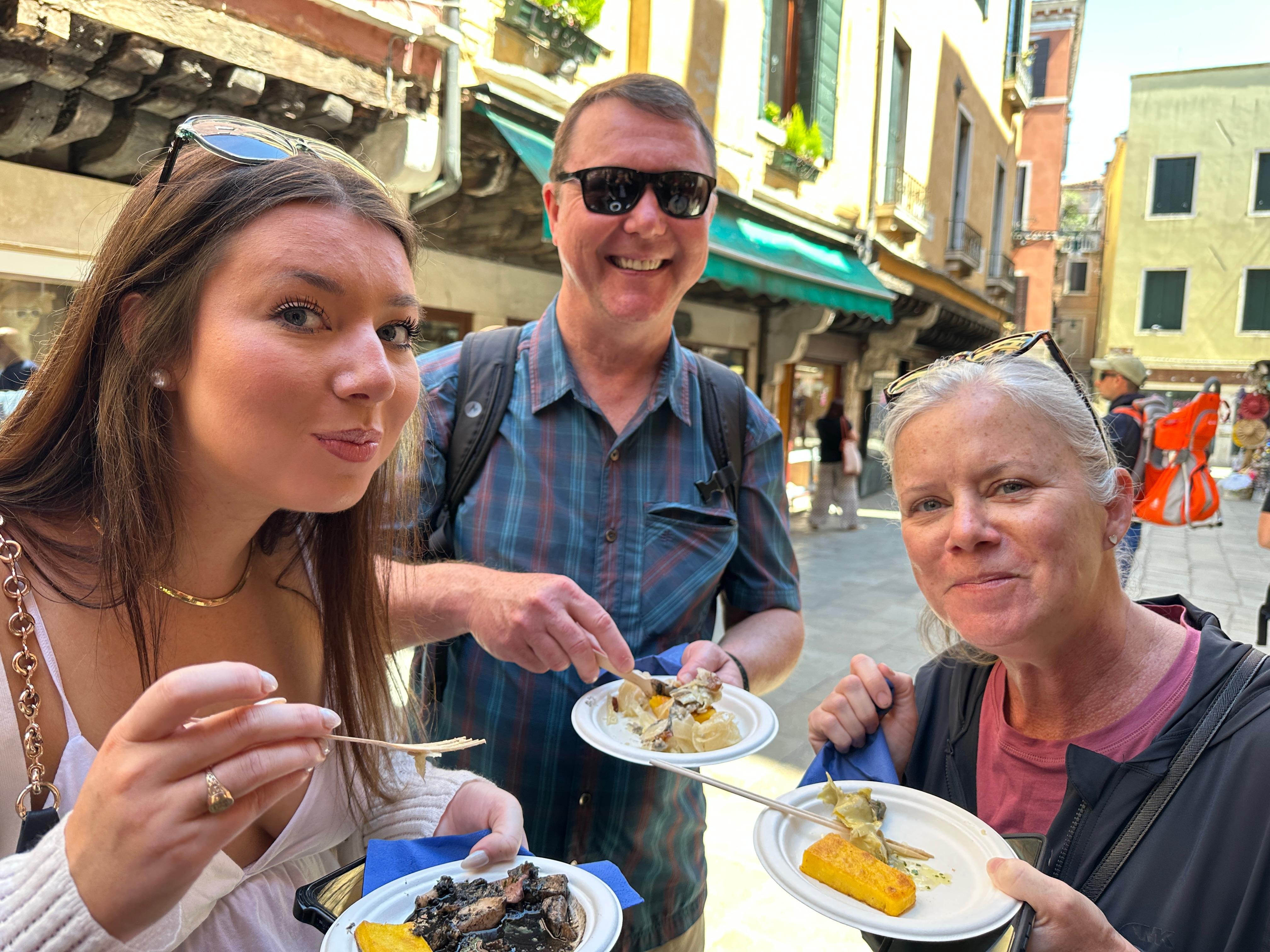
You continue to San Polo, pausing at a second bacaro for sarde in saor — sardines marinated in vinegar and onions, a recipe invented to preserve fish on long voyages. The guide explains the Venice food tour cicchetti and wine tradition while you taste a Soave Classico. You cross the Rialto Bridge and enter Cannaregio, stopping at a third bar for polpette di carne and a glass of Raboso. The wine is dark, almost black, and tastes like sour cherries.
The final stop is a pasticceria near the Ca' d'Oro vaporetto dock. You try a slice of tiramisù and a small pour of Fragolino, a sweet red wine made from strawberry grapes. The guide hands you a list of eight other bacari to visit on your own. You finish at 2 p.m., having walked two kilometers and eaten fifteen small plates.
All the details about your upcoming adventure in one place
This Venice food and wine tour connects you with Venetian culinary traditions through tastings at local bacari, family-run osterias, and historic wine bars. Sample cicchetti paired with regional Veneto wines while your guide shares insight into Rialto Market produce and lagoon seafood. Venice food and wine tour tickets include all tastings and venue access.
Venice invented the aperitivo hour five centuries before Milan claimed it. The bacaro — a standing-room wine bar no wider than a gondola — emerged in the 1400s when Venetian merchants needed fast fuel between trading shifts at the Rialto markets.
They drank ombra, a glass of wine poured in the shadow of the Campanile, and ate cicchetti, thumb-sized bites of baccalà mantecato, sarde in saor, and polpette that could be consumed without sitting. The ritual was born from commerce, not leisure, and it remains the most efficient gastronomic system ever devised for a city without cars or chairs.
Today the bacaro survives in forty licensed establishments scattered through Cannaregio, San Polo, and Dorsoduro. The best Venice food and wine tour routes avoid the Piazza San Marco entirely, threading instead through sottoporteghi and across wooden bridges where locals still queue at 11 a.m. for the first pour of Prosecco di Valdobbiadene. The cicchetti menu has expanded since the Renaissance — you will find molecularly reconstructed baccalà alongside century-old recipes for nervetti in vinegar — but the architecture of the meal remains unchanged. You stand at a zinc counter. You point at the display case. You drink wine from stubby tumblers called gotòzi. You leave within twenty minutes.
Venetian wine culture predates the denominazione system by four hundred years. The Republic imported Malvasia from Crete in the 1300s and stored it in fondaci along the Grand Canal; those warehouses gave their names to streets that still exist. Modern Venice food and wine tours focus on three indigenous varietals: Glera for Prosecco, Garganega for Soave, and the near-extinct Dorona, a golden grape grown on a single vineyard in Sant'Erasmo. Guides who know their trade will pour you a Raboso del Piave, a tannic red that pairs with seppie in nero, or a Friulano that cuts through the olive oil in a crostino topped with schie, the lagoon's tiny grey shrimp.
The cicchetti tradition thrives because it is fast, cheap, and inherently social. A Venice Italy food and wine tour unspools across six to eight bacari in three hours, covering two kilometers on foot and fifteen small plates per person. You taste mortadella mousse at one bar, octopus carpaccio at the next, and finish with a slice of tiramisù at a pasticceria near the Frari. The format mirrors the way Venetians have always eaten — standing, talking, moving — and it remains the most authentic window into a city that otherwise exists behind closed doors and private courtyards.
The bacaro emerged in the 1400s when Venetian merchants needed fast fuel between trading shifts at the Rialto markets.
Casual and comfortable attire is recommended for this Venice gastronomic excursion. Wear walking shoes suitable for the stone bridges encountered during your venice food and wine tour.
Keep personal belongings secure in a crossbody bag. Large backpacks are discouraged as they are difficult to maneuver in crowded narrow alleys during a venice food and wine tour.
Photography is permitted in public areas and at most participating bacari. Please refrain from photographing private patrons during your venice food and wine tour experience.
Family participation is welcome, though traditional wine bars are primarily adult-oriented. Ensure children remain supervised at all times throughout the venice food and wine tour.
Many historic wine bars in Venice have steps at the entrance. Contact your operator regarding specific accessibility for your venice food and wine tour.
The tour includes various samples. Please inform your guide of any allergies prior to the start of your venice food and wine tour.
Operating Hours
00:00–23:59
Address
Venice, Italy
Accessibility
Varies by venue
Optimal Arrival
11:00–19:00
Storage
Not available
Public transport · 30m · Varies by ticket
Use the Vaporetto lines to reach the Rialto or San Marco areas.
Walk · N/A · 0 EUR
Navigate the pedestrian paths through the historic Sestieri to reach your meeting point.
Full refunds are typically provided for cancellations made at least 24 hours before the scheduled venice food and wine tour. Cancellations within the 24-hour window may result in the forfeiture of the 0 EUR fee if applicable.
Recommended time
3 hours
A typical venice food and wine tour usually lasts three hours, allowing enough time to move between various bacari and taste local appetizers. We recommend booking your culinary excursion during the 11:00–19:00 window to ensure all cicchetti bars are fully operational. If you are seeking fewer crowds for these venice food and wine tour tours, consider starting shortly after 11:00 before the lunch rush intensifies. Securing your venice food and wine tour tickets for a midday slot provides the most consistent experience for sampling regional ombra and small plates.
Crowd levels through the day
Weather · crowds · average price — dots go green to amber to red as each metric rises.
Mild temperatures and blooming scenery provide a pleasant backdrop for a venice food and wine tour.
Secure your spot for the venice food and wine tour early to ensure availability for your preferred date.
Start your venice food and wine tour during the morning hours to avoid the peak evening density.
Engage with your guide to learn about the history of local Venetian landmarks.
Drink plenty of water between wine tastings during your venice food and wine tour.
The weather in Venice can change rapidly, so wear layers for your venice food and wine tour.
The bacaro tradition anchoring every Venice food and wine tour emerged in the late medieval period when Venetian merchants returning from Constantinople brought eastern wine-drinking customs to the lagoon. By the sixteenth century, the city counted over two hundred small wine shops serving ombra, a term derived from the practice of vendors moving their carts into the shadow of San Marco's campanile to keep wine cool. These establishments clustered near the Rialto market, where fishermen and traders gathered at dawn to eat cicchetti—small bites of salted cod, marinated sardines, and polenta—paired with local wines from the Veneto mainland. The 1797 fall of the Venetian Republic disrupted the bacaro network as French and Austrian occupations brought new tavern regulations and import taxes that favored beer over wine. Many family-run osterie closed during the nineteenth-century economic collapse, though working-class neighborhoods in Cannaregio and Castello preserved the cicchetti ritual. The post-World War Two tourism boom initially bypassed these venues; guidebooks directed visitors to formal restaurants while locals continued their evening giro di ombra, moving from bar to bar for a glass and a snack. Organized venice food and wine tour experiences began in the early 2000s when small operators recognized foreign interest in authentic Venetian drinking culture. These curated walks introduced visitors to family bacari that had survived industrialization and acqua alta flooding, explaining the difference between a spritz made with Select versus Aperol and the proper way to eat sarde in saor. By 2015, major tour companies offered guided tastings of Prosecco from Valdobbiadene and Soave whites, while independent venice food and wine tour tickets sold through online platforms connected travelers directly with bacaro owners. The 2019 cruise-ship protests prompted many operators to emphasize sustainable, neighborhood-focused routes that support century-old establishments rather than tourist traps along the Grand Canal.
Wine vendors sell ombra from carts in San Marco's shadow, creating the bacaro tradition.
Fall of the Venetian Republic disrupts the osteria network under French and Austrian rule.
Tourism bypasses working-class bacari while locals preserve the evening giro di ombra ritual.
First organized food and wine tours introduce visitors to family-run cicchetti bars.
Major operators add Prosecco tastings and Veneto wine education to standard tour offerings.
Sustainability protests shift tours toward neighborhood bacari supporting local producers.
Exploring the local culinary scene near a venice food and wine tour reveals a network of traditional bacari perfect for sampling regional specialties. These intimate establishments are the ideal spots to enjoy local wine and small bites while experiencing the authentic culture of an Venetian enogastronomic adventure.
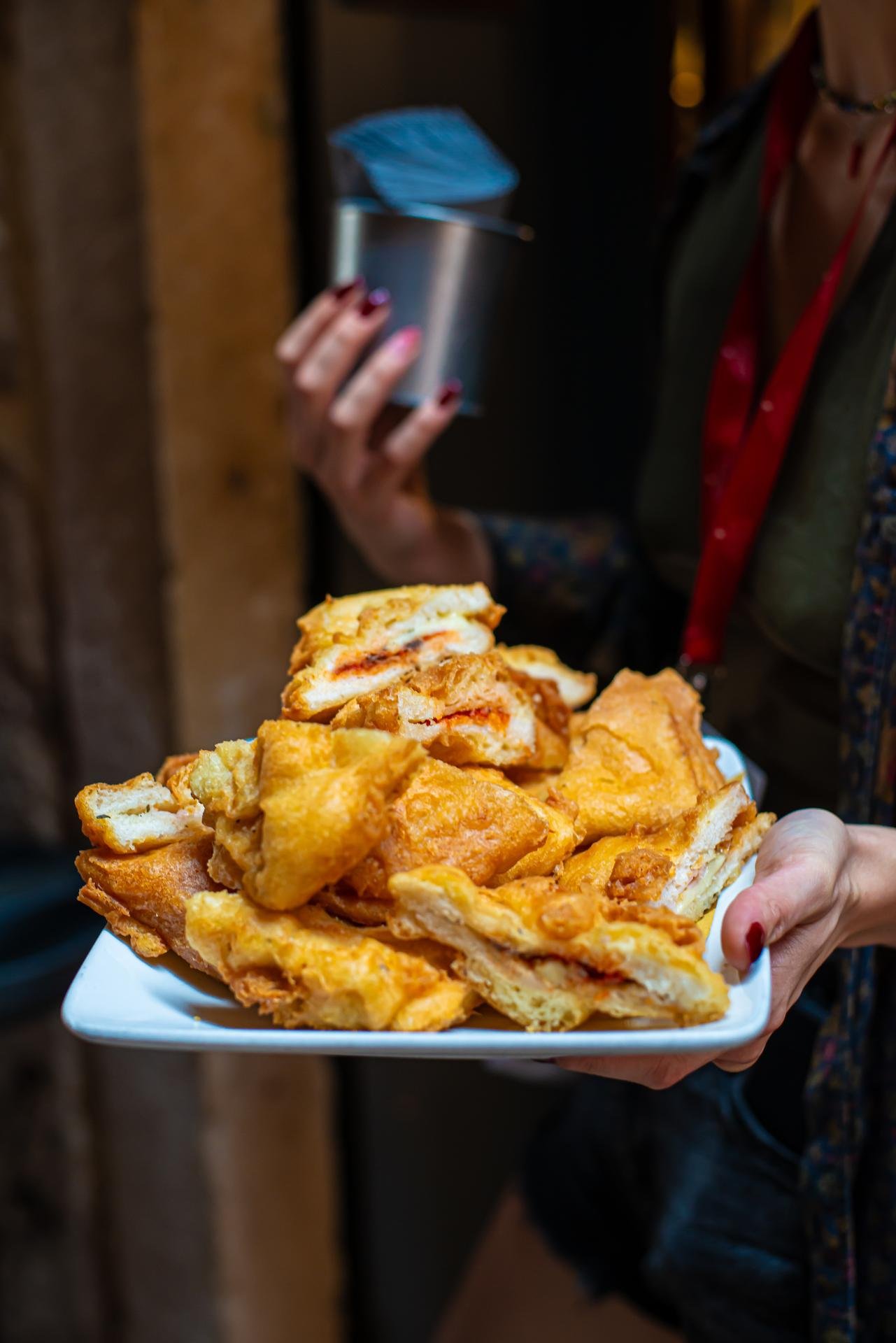
This historic spot offers a variety of fried seafood and polpetti that pair well with a glass of prosecco. It is a popular choice for those seeking to enhance their venice food and wine tour tours with genuine Venetian flavors.;All'Arco
Real experiences from real travelers
Our guide led us through three family-run bacari near San Polo, each stop revealing different facets of cicchetti culture. The Soave paired beautifully with sarde in saor. We finished at a hidden courtyard osteria where the owner explained the origins of each Veneto varietal. Worth every minute.
Started at dawn in Rialto Market watching our guide select ingredients directly from fishmongers and greengrocers she's known for years. The cooking demonstration in a canal-view kitchen taught us techniques we've already used at home. Tasting five regional wines alongside the dishes we'd just prepared made the terroir concepts tangible.
This Venice food and wine tour took us into neighborhoods we would never have found alone. Each bacaro felt like someone's living room. The guide's stories about Venetian trading history connected every ingredient to the Adriatic and Silk Road. We left understanding why lagoon geography shaped the entire culinary tradition.
Six wine tastings across four hours, each pour matched to a specific preparation—the Amarone with aged cheese was a revelation. Our sommelier explained how phylloxera reshaped Veneto viticulture. Only wish we'd had more time at the final stop, a third-generation enoteca near Campo Santa Margherita.
Limited to eight people, which meant real conversation with both our guide and the bacaro owners. We tasted everything from house-cured lardo to moleche in season. The wine selection focused on small producers from Soave and Valpolicella DOC zones. Learned more in one afternoon than a week of independent wandering.
Even as someone familiar with Italian wine, the focus on indigenous Venetian varietals—Garganega, Corvina, Glera—offered new ground. The food stops were timed to catch each bacaro at its freshest. Our guide's contacts meant we sampled wines not available by the glass elsewhere. A venice food and wine tour that respects the craft.
Mid-summer menu featured soft-shell crabs and white peaches with prosciutto, everything tied to what the lagoon and terraferma provided that week. The wine pairings shifted to lighter styles—Lugana, Prosecco Superiore—suited to the heat. Ended with a spritz demonstration using proper Select and house methods, not the neon versions from San Marco.
Our guide balanced history, technique, and simple enjoyment. We learned to distinguish Prosecco production zones by taste, identified regional cheese styles by texture, and understood why Venetian cuisine leans toward sweet-sour balances. The venice food and wine tour tickets included a printed map of every stop so we could return on our own later in the trip.
Began at 9 a.m. to catch the Rialto vendors at peak selection. Watched our guide negotiate in Venetian dialect for the day's best catch. The progression from market to bacaro to osteria showed the supply chain in real time. Tasting wines from the same producer's entry and riserva levels side by side clarified what aging in oak actually does. Highly recommend for anyone serious about understanding the region.
Every wine came from family estates within 50 kilometers of Venice—no commercial labels. The guide's relationships with winemakers meant we heard firsthand stories about harvest challenges and vineyard decisions. Food was equally curated: DOP cheeses, line-caught fish, vegetables from Sant'Erasmo island. A thoughtfully constructed journey through Veneto's artisan food culture.
Everything you need to know for your journey
The hours for a venice food and wine tour are 00:00–23:59 daily.
Yes, every venice food and wine tour incorporates visits to iconic Venice landmarks like the Rialto Bridge.
You can secure your venice food and wine tour tickets through authorized online booking platforms.
Cancellations for a venice food and wine tour require 24-hour notice for a refund of fees excluding the 0 EUR cost.
Accessibility varies; please check the specific route of your venice food and wine tour as many historic sites have steps.
Small bags are permitted on a venice food and wine tour, but large luggage is generally prohibited.
Photography is allowed during a venice food and wine tour, provided you respect the privacy of other guests.
Wear comfortable walking shoes for your venice food and wine tour since you will be moving across the city.
While all ages can join a venice food and wine tour, wine service is strictly for those of legal drinking age.
Public Vaporetto transport or walking are the most reliable ways to reach the start of your venice food and wine tour.
An iconic stone arch bridge spanning the Grand Canal.
A historic site known for opulent gold mosaics and architecture.
The former residence of the Doge featuring gothic design.
A world-renowned opera house with rich interiors.
Area near the central markets and many wine bars.
Upscale lodging located along the main waterway.
A quieter residential area with authentic local charm.
Join thousands of happy travelers who have discovered this incredible experience
Book Your Experience Now