

Quick answer
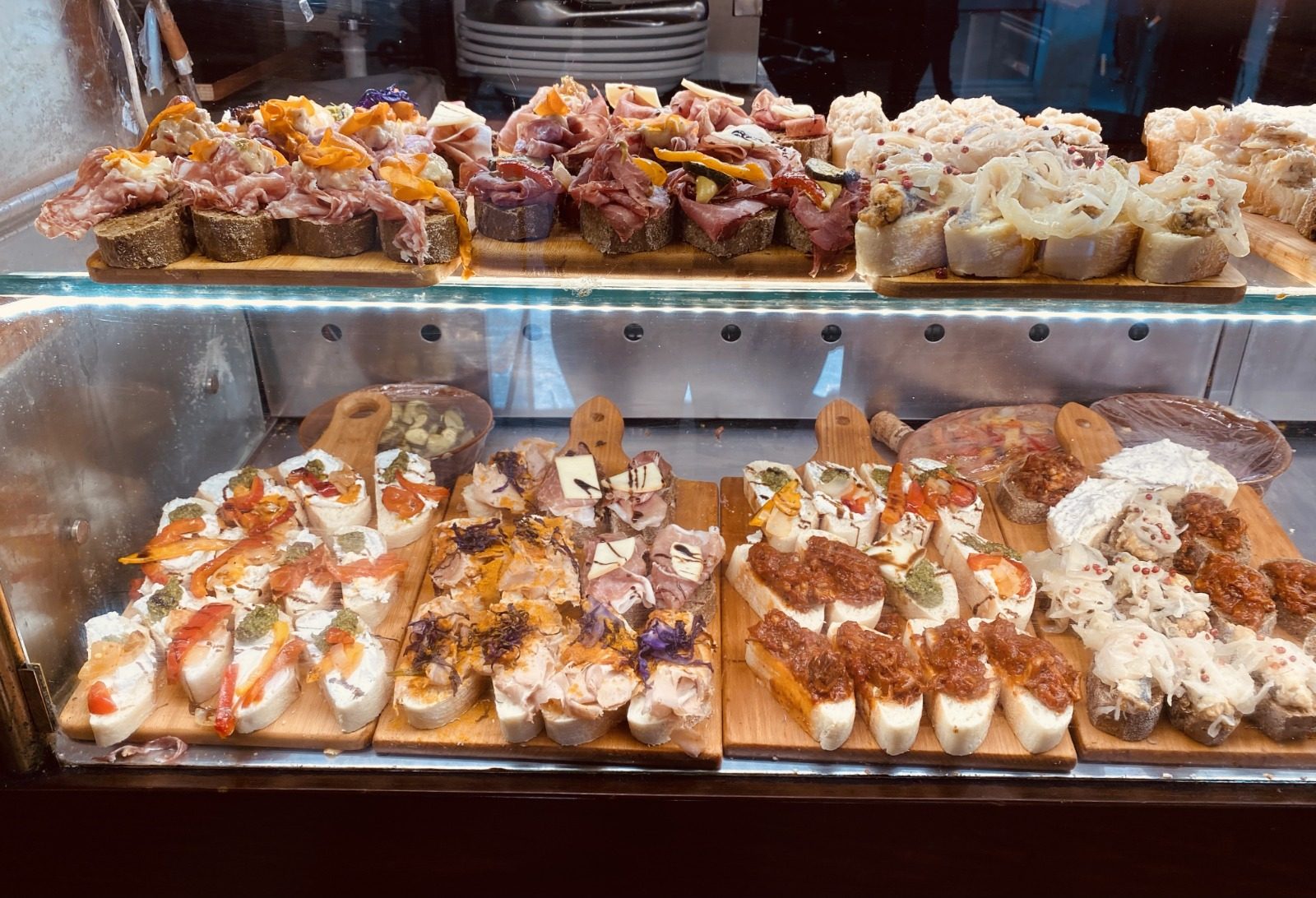
Venice food and drink prices range from €2–4 for cicchetti and spritz in local bacari to €25–50 per person at sit-down restaurants, with tourist-zone establishments charging 3–4 times neighborhood rates for comparable quality. A mid-range meal with wine averages €35–45 per person in residential districts like Cannaregio and Dorsoduro, while the same experience costs €70–90 near Piazza San Marco. Street food, market purchases, and standing-bar service offer the most budget-friendly access to authentic Venetian cuisine.
A single bridge can double the price of an Aperol spritz in Venice. The city's labyrinthine layout creates micro-economies where identical drinks cost €3.50 at a Cannaregio bacaro and €12 at a Piazza San Marco café terrace. This pricing architecture reflects real estate pressure, not ingredient quality—the same Veneto wines, Rialto Market produce, and traditional recipes circulate through both tiers. The Venetian cost of dining in Venice hinges on three variables: service model, neighborhood, and daypart. Standing at a bacaro bar eliminates the coperto cover charge and table service premium—a plate of sarde in saor and two cicchetti runs €8–10 versus €22–28 for the same items seated. Residential sestieri like Santa Croce and the quieter canals of Dorsoduro maintain working-class pricing because locals form the customer base year-round. The 11:00–13:00 and 18:00–20:00 windows align with Venetian meal rhythms, when neighborhood trattorias serve prix-fixe menus at €15–20 that disappear by mid-afternoon. The Rialto Market anchors the city's most transparent food economy. Vendors price seafood, vegetables, and regional cheeses at wholesale rates, and the surrounding osterie source directly from these stalls. A kilo of fresh Adriatic squid costs what a single calamari appetizer runs in tourist corridors—the markup becomes visible when you trace ingredients backward. Wine lists expose similar patterns: a €6 glass of Soave at a bacaro represents the same bottling sold for €16 at white-tablecloth establishments. Coperto charges, typically €2–4 per person, appear on every seated bill and fund bread service and table maintenance. Tourist-trap restaurants inflate this to €5–8 while reducing portion sizes—a tactic repeated across appetizers and mains. The city's dining costs stabilize in areas requiring a 10-minute walk from vaporetto hubs, where the cost of Venetian meals reflects ingredient quality rather than proximity to landmarks. Locals eat between services, order house wine by the quartino, and treat cicchetti as meals rather than bar snacks—strategies that cut daily expenditure in half.
“A single bridge can double the price of an Aperol spritz in Venice—the city's layout creates micro-economies where identical drinks range from €3.50 to €12.”
Understanding Venice Food and Drink Prices for Your Daily Budget
Planning your daily food and drink budget in Venice requires balancing casual quick bites with sit-down dining experiences. Costs vary significantly depending on whether you choose local bacari or traditional restaurants.
How to spend less
- Eat standing at the bar to avoid table service fees
- Look for house wine instead of bottled labels
- Enjoy cicchetti for a cost-effective lunch
- Avoid restaurants with menus in multiple languages
A daily food and drink budget in Venice typically ranges from 40 EUR for budget-conscious travelers to 120 EUR for a comfortable, full-service dining experience.
Navigating Venice Food and Drink Prices Across Local Establishments
Venice offers a distinct dichotomy between quick stand-up service at local bacari and seated dining in traditional restaurants. Understanding these venue types helps manage costs, especially when accounting for the standard coperto charge applied at tables.
Cantina Do Spade
€street
A historic bacaro in the San Polo district offering traditional cicchetti and ombra. Prices are lower when consuming at the counter compared to seated service.
Osteria alle Testiere
€€€restaurant
A small, highly regarded seafood-focused restaurant located near Campo Santa Maria Formosa. It operates with traditional seating and standard service charges.
Rialto Market
€market
An open-air market near the Rialto Bridge where fresh produce and seafood are available. Ideal for gathering picnic ingredients to enjoy at public spaces.
Paradiso Perduto
€€restaurant
Located in the Cannaregio district, this establishment provides a classic Venetian atmosphere with full table service. Be aware that the coperto fee is added to the final bill.
Common Mistakes to Avoid Regarding Venice Food and Drink Prices
Visitors to Venice often overpay for food and drink by falling into predictable traps. Knowing where restaurants display prices and what surcharges apply prevents budget shocks.
Sitting at St. Mark's Square cafes without checking posted prices
Cafes around St. Mark's charge €10–15 per drink with table service fees that can triple the bill. Check the price list posted outside before sitting, or order at the bar for standard rates.
Assuming menu prices include all charges
Many restaurants add coperto (cover charge, €1.50–3 per person) and servizio (service, 10–12%). These appear as separate lines on the bill and are legal when disclosed on the menu.
Ordering seafood or meat dishes marked "market price"
Market price often means €40–60 per plate without advance warning. Ask the server for the exact price before ordering, or choose dishes with printed figures.
Skipping the posted menu check outside restaurants
Touristy streets hide high prices until you're seated. Venetian law requires restaurants to display menus and prices outside; read them fully before entering.
Drinking or snacking while standing near major landmarks
Street vendors near Rialto and St. Mark's charge €3–5 for bottled water versus €1 at neighborhood shops. Walk two blocks inland for normal pricing.
Typical Opening Hours and Venice Food and Drink Prices
Dining establishments throughout Venice generally maintain consistent operating hours, though arrival times fluctuate based on local customs. Visitors should plan their meals to align with the city's preferred dining rhythm.
| Monday | 00:00–23:59 | |
|---|---|---|
| Tuesday | 00:00–23:59 | |
| Wednesday | 00:00–23:59 | |
| Thursday | 00:00–23:59 | |
| Friday | 00:00–23:59 | |
| Saturday | 00:00–23:59 | |
| Sunday | 00:00–23:59 |
Check availability
Common questions about venice food and drink prices
Everything you need to know about venice food and drink prices