

Quick answer
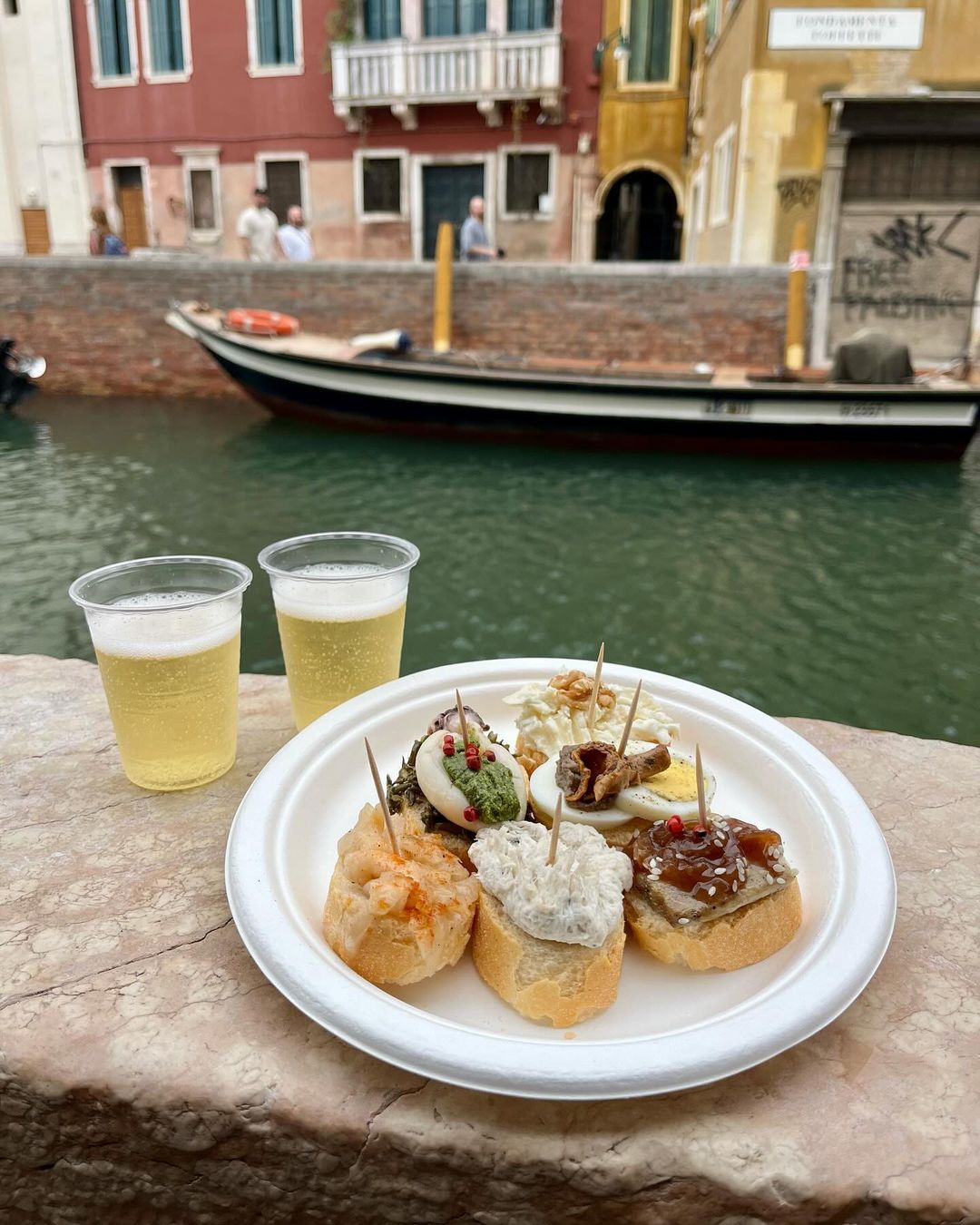
Venice is famous for cicchetti—small plates served in bacari wine bars—alongside seafood preparations like sarde in saor, risotto al nero di seppia, and baccalà mantecato. The city's cuisine developed around lagoon harvests and spice-trade influence, creating a repertoire distinct from mainland Italian cooking. Optimal timing to experience traditional cicchetti in bacari and authentic dining falls between 11:00 and 21:00, when establishments serve the full range of Venetian specialties.
Every Venetian table begins with what the lagoon yields at dawn. Fishermen return with moeche—soft-shell crabs harvested during molting season—and go, small lagoon fish that appear in dishes found only within a few kilometers of the Rialto Market. These ingredients define what food is Venice Italy famous for, not because they traveled well or scaled to industrial production, but because they never left the archipelago. The bacaro tradition anchors Venetian eating culture. These wine bars serve cicchetti from mid-morning through evening, small bites meant to accompany ombra, a glass of local wine. Polpette, baccalà mantecato on grilled polenta, and crostini topped with creamed cod or marinated sardines line the zinc counters. The ritual is social and brief—locals stop for one or two rounds between errands, standing at the bar rather than claiming a table. This rhythm shaped how Venetians eat, favoring small, frequent servings over the seated multi-course meals common in other Italian regions. Sarde in saor exemplifies the spice-route influence that separates Venetian cuisine from its neighbors. Sweet-and-sour marinated sardines layered with onions, pine nuts, and raisins carry flavors from Eastern Mediterranean trade. Fegato alla veneziana applies a similar logic to calf's liver, cooked with onions until the boundary between sweet and savory dissolves. Risotto al nero di seppia, stained black with cuttlefish ink, turns a simple rice dish into something visually and texturally distinct—the ink thickens the risotto and adds a mineral brine that announces its lagoon origin. Bigoli in salsa, thick whole-wheat pasta with anchovy and onion sauce, appears on trattorias menus as a first course during colder months. The pasta itself, extruded through a hand-cranked press, has a rough texture that holds the oily, pungent sauce. Risi e bisi, rice and peas cooked into a consistency between soup and risotto, marks the spring harvest and the feast of San Marco. These dishes operate within a seasonal and geographical logic—they taste correct only when made with ingredients harvested within the lagoon's tidal range. Venetian culinary heritage is experienced in public restaurants and markets with no entrance fee. The Rialto Market remains the central point for sourcing lagoon fish, seasonal vegetables, and the soft cheeses that appear in Venetian antipasti. Walking through the fish stalls provides a direct view of what the city's cuisine depends on—displays of scampi, canoce, and razor clams arranged by the morning's catch. The market operates early, and by mid-afternoon the stalls close, reinforcing the importance of timing in accessing fresh ingredients. For visitors researching Venetian food traditions, the hours between late morning and early evening offer the best window to observe both market activity and bacari service, when cicchetti counters display their full selection and kitchens prepare dishes that define the city's culinary identity.
“The bacaro tradition anchors Venetian eating culture, favoring small, frequent servings over the seated multi-course meals common in other Italian regions.”
What Food Is Venice Italy Famous For: Local Specialties
Venetian cuisine centers on fresh lagoon seafood and agricultural products from the nearby mainland. Visitors experience this heritage by moving between traditional bacari for small bites and local restaurants for full regional meals.
Cantina Do Spade
€€restaurant
Located near the Rialto Market, this historic spot is known for traditional cicchetti and regional wine.
Rialto Market
€market
Situated in the San Polo district, this morning market provides the raw ingredients that define Venetian cooking.
Osteria alle Testiere
€€€restaurant
A small dining establishment near Santa Maria Formosa specializing in the daily catch from the Venetian lagoon.
Cantina Do Mori
€€street
Found in the alleys near the Rialto Bridge, this is one of the oldest bacari serving wine and local snacks.
When to Experience What Food Is Venice Italy Famous For
The best time to experience the culinary heritage of Venice is during the optimal arrival window of 11:00–21:00, which aligns with the peak activity of local bacari. This timeframe ensures access to the freshest cicchetti and the most authentic atmosphere in the city's traditional dining spots.
Spring (April–May)
Moderate crowdsMild temperatures (15°C–22°C)
Ideal for comfortable outdoor dining and exploring markets.
Summer (June–August)
Heavy crowdsWarm and humid (25°C–30°C)
Expect bustling streets and high demand for indoor seating.
Autumn (September–October)
Moderate crowdsCooler, pleasant (15°C–20°C)
Often considered the most stable time for walking food tours.
Daily 11:00–21:00
Varies by location—
This window covers the full cycle of bacari service from mid-morning preparation through evening social hours.
Verdict: Plan your visit for Tuesday to Thursday between 11:00 and 21:00 during the months of April or October for the most balanced experience.
Pricing and Value: What Food Is Venice Italy Famous For
Venetian culinary heritage is experienced in public restaurants and markets, requiring no entrance fee. Costs depend entirely on your personal selection of food and wine at these establishments.
A typical visitor pays 0 EUR for access, with total costs determined solely by the specific dishes and drinks purchased at each location.
Opening Hours for Exploring What Food Is Venice Italy Famous For
Venice offers consistent access to culinary locations throughout the week. Establishments across the city maintain a standard schedule for visitors.
| Monday | 00:00–23:59 | |
|---|---|---|
| Tuesday | 00:00–23:59 | |
| Wednesday | 00:00–23:59 | |
| Thursday | 00:00–23:59 | |
| Friday | 00:00–23:59 | |
| Saturday | 00:00–23:59 | |
| Sunday | 00:00–23:59 |
Insider Tips on What Food Is Venice Italy Famous For
Navigating the Venetian dining landscape requires knowing how to distinguish genuine bacari from establishments designed solely for passing foot traffic.
Look for standing room
Authentic bacari prioritize counter service where locals stand to eat cicchetti, rather than relying on extensive outdoor seating menus. If a place features a large plastic menu with photos outside, continue walking to find a more traditional spot.
Drink ombra like locals
An ombra is a small glass of house wine, typically served at a lower price point than bottled options. Order by specifying white or red rather than by grape variety to mirror local habits.
Eat with your hands
Most cicchetti, such as crostini or polpette, are designed to be eaten by hand while standing at the bar. Avoid asking for cutlery unless you are sitting down for a full meal.
Mind the evening rush
While the best arrival window is 11:00–21:00, visiting bacari between 18:00 and 19:30 allows you to experience the peak social hour. This is when locals congregate for their pre-dinner ritual.
Check for fresh daily selections
Authentic bacari rotate their cicchetti based on the Rialto market offerings. If the display case looks identical every day, the food is likely not prepared fresh on-site.
Check availability
Frequently asked questions about what food is venice italy famous for
Everything you need to know about what food is venice italy famous for